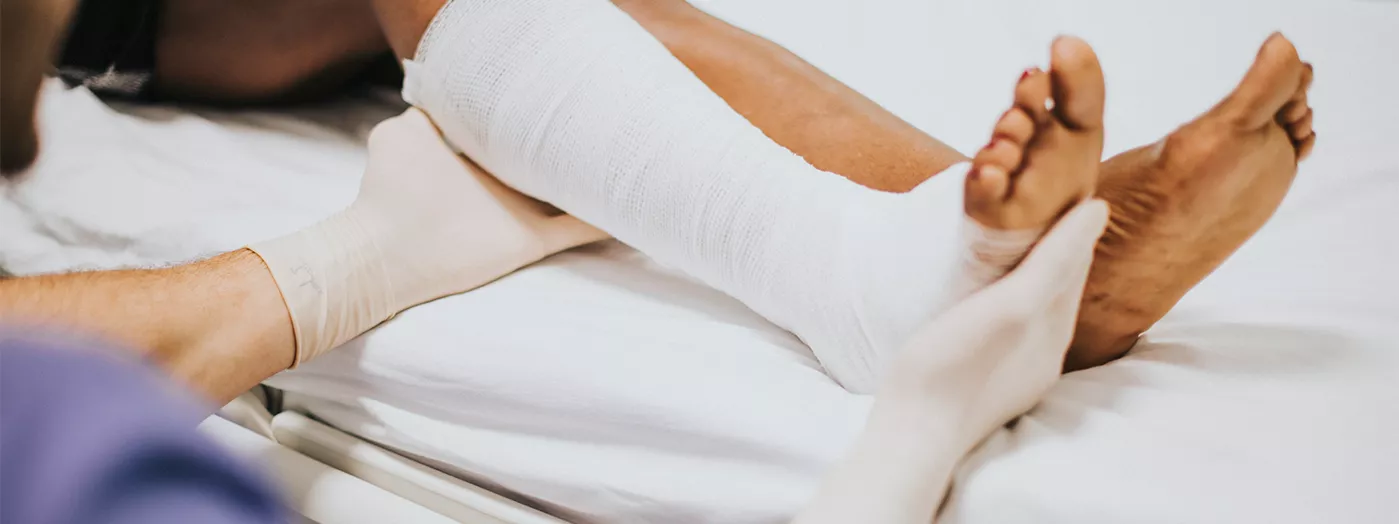
Fractures are among the most frequently treated injuries in hospitals. A fracture occurs when a bone cracks or breaks due to a strong impact, fall, or some underlying condition that weakens the bone. The need for fracture treatment in Chennai is widespread, with cases ranging from minor breaks that only require a cast to complex injuries that need surgical intervention.
Chennai, known for its excellent healthcare infrastructure, offers a wide array of treatment options. The city’s hospitals are equipped with the latest technology, and its doctors are among the best in the country. Whether you’re seeking bone fracture treatment in Chennai or more specialized care such as spine fracture treatment in Chennai, you can expect high standards of medical care.
What is a Fracture?
A fracture is a medical condition where a bone is broken, cracked, or shattered due to excessive force, trauma, or underlying health conditions like osteoporosis. Fractures can range from minor hairline cracks to severe breaks that pierce the skin or shatter the bone into multiple pieces.
Types of Fracture Treatment in Chennai
Understanding the 8 different types of fractures in Chennai you’re dealing with is crucial for choosing the right treatment. There are many different kinds of fractures, each requiring a specific approach to healing. Here are some of the most frequently seen types:
- Simple Fractures: These are straightforward breaks where the bone remains aligned and doesn’t pierce the skin. They are relatively easy to treat and usually heal well with immobilization.
- Compound Fractures: These are more serious as the bone breaks through the skin, increasing the risk of infection. Treatment often involves surgery to clean the wound and fix the bone health.
- Greenstick Fractures: Common in children, these fractures occur when the bone bends and cracks but does not break completely. Children’s bones are softer and more flexible, which is why this type of fracture is more prevalent in younger patients.
- Comminuted Fractures: In these cases, the bone shatters into several pieces. Such fractures usually require surgical intervention to piece the bone back together and secure it with pins, plates, or screws.
- Spiral Fractures: Caused by a twisting force, this type of fracture spirals around the bone. It often occurs in sports-related injuries and requires careful realignment and stabilization.
- Oblique Fractures: These are slanted breaks that occur at an angle across the bone. Depending on the severity, they may require surgical or non-surgical treatment.
- Transverse Fractures: The fracture is horizontal across the bone and is typically caused by a direct blow or stress. Immobilization or surgery may be needed depending on the fracture’s alignment.
- Compression Fractures: These fractures occur when the bone is crushed, often affecting the spine. Spine fracture treatment in Chennai is particularly crucial in these cases to prevent long-term complications such as chronic pain or disability.
Each of these 8 different types of fractures presents its own challenges. The specific treatment required can vary greatly, which is why it’s important to consult with specialists who are experienced in fracture treatment in Chennai.
Common Symptoms and Early Warning Signs
Recognizing early signs of weak or fractured bones can help prevent serious complications. Some symptoms develop gradually, especially in individuals with osteoporosis or age-related bone loss.
- Fragility Fractures from Minor Injuries: Even a minor fall or light impact can cause fractures in weakened bones.
- Back and Neck Pain: Persistent pain in the spine may indicate underlying bone weakness or compression fractures.
- Loss of Height Over Time: Gradual reduction in height can be a sign of spinal bone weakening.
- Stooped or Curved Posture (Kyphosis): A hunched back posture often develops due to weakened vertebrae.
- Reduced Grip Strength: Weaker bones and muscles may lead to difficulty in holding objects.
- Receding Gums and Dental Changes: Bone loss can sometimes affect jaw structure and dental health.
- Brittle and Weak Nails: Changes in nail strength can reflect overall bone health.
Causes of Fractures
Fractures can be caused by various factors, ranging from accidents to underlying health conditions. Understanding the cause of a fracture is important not just for treatment but also for prevention in the future. Common causes include:
- Accidents: Car accidents, falls, or other forms of trauma are the most common causes of fractures. The impact force can easily break bones, especially if they are subjected to a sudden, powerful blow.
- Sports Injuries: High-impact sports, such as football, basketball, and skiing, can lead to fractures. Athletes are particularly prone to fractures due to the physical demands of their sports.
- Osteoporosis: This is a condition that weakens bones, making them more prone to fractures even from minor stresses. It is particularly common in older adults.
- Overuse: Stress fractures can occur due to repetitive motion, often seen in runners or soldiers who undergo prolonged periods of physical activity. These fractures result from overuse and the inability of the bone to recover adequately between activities.
Identifying the cause can guide the treatment approach, making fracture treatment in Chennai not just about healing the current injury but also preventing future ones.
Things to Do After the Bone Fracture
After a fracture, the first few hours and days are extremely important. The way the injury is handled can directly influence healing time and recovery quality.
- Immobilization and Injury Support: The first step is to prevent further movement of the injured bone. Doctors usually recommend a cast, splint, or sling depending on the location and severity of the injury. Immobilization helps keep the bone in the correct position, reducing pain and preventing complications.
- In many cases, patients undergoing bone fracture treatment in Chennai are advised to avoid unnecessary movement until imaging tests like X-rays confirm proper alignment.
- Nutrition for Faster Bone Healing: Food plays a major role in recovery. A diet rich in calcium, vitamin D, protein, and minerals supports bone regeneration. Milk, leafy greens, eggs, and fish are commonly recommended. Proper nutrition strengthens the body’s natural ability to repair itself, especially during the early healing phase.
- Safe Physical Activity and Rehabilitation: Once the doctor allows movement, gentle exercises and physiotherapy help restore strength and flexibility. Rehabilitation is essential to avoid stiffness and muscle weakness after long immobilization.
- Avoiding Smoking for Better Recovery: Smoking slows down blood circulation and delays bone healing. Patients are strongly advised to avoid tobacco and alcohol during recovery.
- Pain and Swelling Management: Pain and swelling are common after a fracture. Cold compresses, elevation of the injured limb, and prescribed medications help manage discomfort effectively.
- Regular Follow-Up and Medical Care: Follow-up visits ensure that the bone is healing correctly. Doctors may recommend repeated X-rays to monitor progress and adjust treatment if needed.
Diagnosis and Treatment
Proper diagnosis is crucial in determining the appropriate treatment for a fracture. The diagnostic process typically involves:
- X-rays: X-rays are the most common imaging technique used to confirm the presence of a fracture and to assess the extent of the injury.
- MRI or CT Scans: For more complex fractures or when soft tissue damage is suspected, an MRI or CT scan may be necessary. These imaging techniques provide a more detailed view of the injury, helping doctors plan the best course of treatment.
Once the fracture is diagnosed, the treatment options include:
- Casting: For simple fractures, immobilization with a cast is often sufficient to allow the bone to heal properly. The cast keeps the bone in place and prevents movement that could interfere with the healing process.
- Surgery: In cases of spine fracture treatment in Chennai or other complex fractures, surgery may be required. This could involve the use of metal pins, plates, or screws to hold the bone fragments together and ensure proper alignment as they heal.
- Physical Therapy: After the initial treatment, physical therapy is often necessary to restore strength, flexibility, and function to the affected area. This is especially important for more severe fractures or those that involve joints.
The quality of fracture treatment in Chennai can significantly affect recovery time and the likelihood of complications. This is why choosing the right hospital and medical team is so important.
Operation Procedure for Bone Fractures
Not all fractures require surgery some can heal with plaster, braces, or casts. However, when the bone is severely displaced, unstable, or affecting vital functions, surgery may be recommended.
During bone fracture treatment in Chennai, orthopedic surgeons may use advanced fixation methods such as:
- Plates and screws to hold the bone in place
- Intramedullary rods for long bone stabilization
- External fixation devices for complex or multiple fractures
The procedure is performed under anesthesia to ensure comfort. Most patients spend a short period in the hospital, where doctors monitor healing and manage pain. Thanks to modern surgical techniques, Fracture Repair Treatment in Chennai is safe and results in strong, stable bones.
Complications of Bone Fractures
Fractures can lead to several complications, particularly if not treated properly or promptly. Some potential complications include:
- Infection: This is a significant risk with compound fractures, where the bone breaks through the skin, exposing it to bacteria. Infection can complicate the healing process and may require additional treatment, such as antibiotics or even further surgery.
- Nerve Damage: Fractures that occur near nerves can lead to nerve damage, resulting in numbness, weakness, or even paralysis in severe cases.
- Nonunion: This occurs when a fracture fails to heal properly, leading to chronic pain and potentially requiring additional surgery to correct it.
- Arthritis: Fractures that extend into a joint can increase the risk of developing arthritis later in life. Proper alignment and stabilization during treatment are crucial to minimize this risk.
Hospitals specializing in bone fracture treatment in Chennai are equipped to handle these complications, ensuring that the patient receives comprehensive care from diagnosis through recovery.
Healing Process for Fractures
Bone healing is a slow and natural process that happens in well-organized stages. Understanding these stages helps patients stay informed, patient, and confident throughout their recovery journey. Each phase plays a crucial role in restoring the bone’s strength and normal function.
- Overview of the Bone Healing Process: Bone repair takes place in multiple stages, where the body gradually rebuilds the damaged structure. These stages work together to restore stability and ensure proper alignment of the fractured bone.
- Inflammation Phase: Right after the injury, the body forms a blood clot around the fracture site. This acts as a protective layer and initiates the healing process by sending repair cells to the area.
- Soft Callus Formation Stage: Within a few days, a soft tissue bridge forms between the broken bone ends. This temporary structure helps stabilize the fracture while new bone starts developing.
- Hard Callus Formation Stage: The soft callus slowly transforms into hard bone, giving the fracture stronger support. This stage is important for regaining stability at the injury site.
- Remodeling and Bone Strengthening Phase: Over time, the newly formed bone is reshaped and strengthened to match the original bone structure. This final phase restores normal bone function and durability.
Throughout this entire healing journey, proper medical guidance ensures safe and steady recovery. With structured care, patients undergoing Fracture Repair Treatment in Chen
Prevention of Fractures
While not all fractures can be prevented, certain measures can significantly reduce the risk:
- Calcium and Vitamin D Intake: Ensuring that you get enough calcium and vitamin D is essential for maintaining strong bones. This is particularly important for older adults who are more prone to osteoporosis.
- Regular Exercise: Weight-bearing exercises, such as walking, running, and strength training, can help maintain bone density and reduce the risk of fractures.
- Safety Measures: Wearing protective gear during sports and ensuring your home is free of hazards that could lead to falls are important preventive steps.
- Healthy Lifestyle: Avoiding smoking and excessive alcohol consumption can also help maintain bone health, reducing the likelihood of fractures.
By taking these steps, you can significantly lower your risk of fractures and the need for fracture treatment in Chennai.
Post-Surgery Care
After surgery, proper care ensures smooth recovery:
- Monitoring: Vital signs are observed post-anesthesia.
- Pain Management: Medications to alleviate discomfort.
- Immobilization: Casts, braces, or splints protect the area.
- Physiotherapy: Gentle exercises to prevent stiffness and improve mobility.
Regular follow-ups help detect and address complications early, ensuring effective recovery.