
India has emerged as a global destination for advanced orthopedic care, offering a combination of experienced specialists, cutting-edge medical technology, and cost-effective treatment solutions. When searching for the best orthopedic doctor in India, patients today are not just looking for qualifications—they seek proven expertise, ethical care, and measurable outcomes. With increasing cases of joint disorders, sports injuries, and spine conditions, the demand for highly skilled orthopedic professionals continues to rise.
From metropolitan healthcare hubs to specialized centers of excellence, India provides access to some of the best orthopedic specialist in India options who follow global standards in diagnosis, treatment, and rehabilitation. This guide is designed to help patients understand orthopedic care, evaluate doctors effectively, and make informed decisions aligned with modern healthcare expectations and Answer Engine Optimization (AEO) standards.
Role of an Orthopedic Specialist
Orthopedic specialists focus on diagnosing, treating, and preventing disorders related to the musculoskeletal system, including bones, joints, ligaments, tendons, and muscles. Their role extends beyond surgery to include rehabilitation, preventive care, and long-term patient management.

- Key Functions and Responsibilities: Orthopedic doctors manage a wide range of conditions, from minor injuries to complex surgical cases. Their responsibilities include evaluating patient symptoms, recommending diagnostic tests, developing treatment plans, and performing surgical interventions when required. They also guide patients through recovery and rehabilitation to ensure optimal outcomes.
- Precise Diagnosis and Comprehensive Assessment: Accurate diagnosis is the foundation of effective treatment. Orthopedic specialists use advanced imaging techniques such as MRI, CT scans, and digital X-rays to assess conditions thoroughly. A detailed clinical evaluation ensures that treatment plans are tailored to each patient’s specific needs, improving success rates and reducing complications.
- Non-Invasive Treatment Approaches: Not all orthopedic conditions require surgery. Many specialists prioritize conservative treatments such as physiotherapy, medications, lifestyle modifications, and regenerative therapies. These approaches help patients recover naturally while minimizing risks and downtime.
- Advanced Surgical Procedures and Interventions: When surgery becomes necessary, modern orthopedic specialists utilize minimally invasive techniques, robotic-assisted surgeries, and precision-based interventions. These advancements reduce recovery time, minimize pain, and improve surgical accuracy, making treatment more efficient and patient-friendly.
How to Choose the Best Orthopedic Doctor in India
Selecting the right orthopedic doctor is a critical decision that directly impacts recovery and long-term health. Patients should evaluate qualifications, experience, specialization, and patient outcomes before making a choice. A doctor’s ability to communicate clearly and provide transparent treatment plans is equally important.
Dr. Madan Mohan Reddy
Dr. Madan Mohan Reddy is a distinguished orthopedic surgeon with more than 36 years of extensive experience in treating complex bone and joint disorders. With strong academic credentials and significant international clinical exposure, he specializes in joint replacement procedures, sports injury management, and fracture treatment, employing advanced surgical techniques and evidence-based approaches.
He is committed to delivering accurate diagnoses, effective treatment strategies, and faster recovery outcomes. Through a patient-focused and personalized approach, he aims to restore mobility, reduce discomfort, and improve the overall quality of life for his patients.
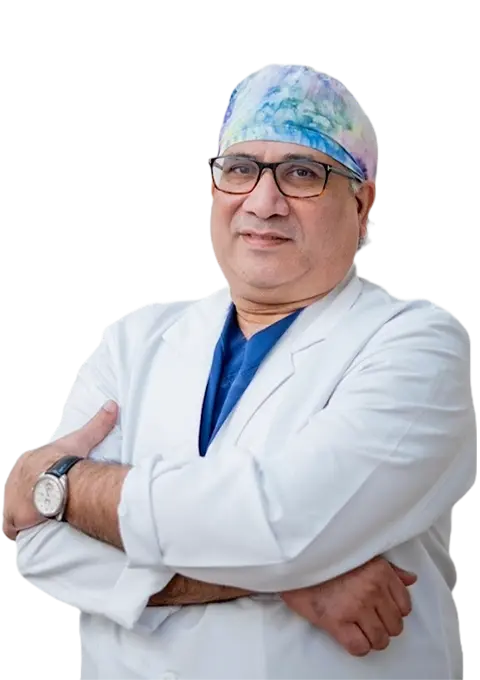
- Qualifications: MBBS, MS (Ortho.), MD, FRCS
- Experience: 36+ years
- Hospital: Apollo Hospitals
Key Highlights
- International Clinical Experience: Broad global exposure to advanced orthopedic practices
- Advanced Surgical Expertise: Proficient in modern, minimally invasive, and precision-driven procedures
- Patient-Centric Care: Focused on compassionate, individualized treatment
- Customized Treatment Plans: Tailored strategies based on each patient’s condition and recovery objectives
Choosing a doctor with such comprehensive expertise ensures access to some of the best ortho doctor in India standards of care.
Benefits of Consulting an Orthopedic Specialist in India
- Expertise in Specialized Orthopedic Care: India is home to specialists with deep expertise across subspecialties such as joint replacement, spine surgery, sports medicine, and trauma care. Patients benefit from highly focused treatment strategies designed for specific conditions.
- Access to Advanced Medical Technology: Hospitals in India are equipped with advanced diagnostic and surgical technologies, including robotic-assisted systems and high-resolution imaging tools. This ensures accurate diagnosis and effective treatment.
- Personalized and Patient-Centric Treatment: Orthopedic care in India emphasizes individualized treatment plans. Doctors consider each patient’s lifestyle, medical history, and recovery goals to create customized solutions.
- Integrated Care with Rehabilitation Support: Rehabilitation plays a vital role in orthopedic recovery. Many centers offer integrated physiotherapy and post-surgical care programs to enhance mobility and ensure long-term success.
- Affordable and Accessible Healthcare Options Compared to many countries, India provides high-quality orthopedic treatment at significantly lower costs, making it accessible to a wider population without compromising on quality.
Common Conditions Treated by Orthopedic Doctors in India
- Joint Disorders and Arthritis Management: Orthopedic specialists treat conditions like osteoarthritis, rheumatoid arthritis, and joint degeneration using both medical and surgical approaches, including joint replacement.
- Treatment of Fractures and Traumatic Injuries: From simple fractures to complex trauma cases, orthopedic doctors provide immediate and effective care to ensure proper healing and restoration of function.
- Evaluation and Care for Spine Disorders: Spine-related issues such as herniated discs, spinal stenosis, and chronic back pain are managed using advanced diagnostic tools and treatment techniques.
- Sports Injury Treatment and Rehabilitation: Athletes and active individuals benefit from specialized care for ligament tears, tendon injuries, and muscle strains, with a focus on quick recovery and performance restoration.
- Management of Chronic Pain and Repetitive Strain Injuries: Conditions caused by repetitive motion or long-term stress are treated through a combination of therapy, medication, and lifestyle changes.
- Treatment of Nerve Compression Disorders: Orthopedic specialists address conditions like carpal tunnel syndrome and sciatica, which involve nerve compression and require precise intervention.
Key Qualities of a Leading Orthopedic Doctor
- Accredited Qualifications and Specialized Expertise: A leading orthopedic doctor holds recognized degrees and advanced certifications from reputed institutions, ensuring a strong academic foundation. Specialization in areas like joint replacement, spine care, or sports injuries allows for precise and effective treatment. Continuous learning and exposure to global practices help maintain high standards of patient care.
- Strong Communication and Patient Education Skills: Clear communication helps patients fully understand their diagnosis, treatment options, and recovery process. Doctors who prioritize patient education build trust and improve treatment adherence. This ultimately leads to better outcomes and more confident healthcare decisions.
- Ethical and Compassionate Approach to Care: Ethical doctors always prioritize patient well-being over unnecessary procedures or costs. A compassionate approach ensures patients feel heard, respected, and supported throughout their treatment journey. This builds long-term trust and enhances the overall care experience.
- Adoption of Advanced Techniques and Continuous Learning: Top orthopedic specialists adopt modern techniques such as minimally invasive and robotic-assisted surgeries. They stay updated with evolving medical research and innovations in orthopedics. This ensures improved accuracy, reduced recovery time, and better patient outcomes.
- Extensive Surgical Experience and Proven Outcomes: Experienced doctors handle complex cases with greater confidence and precision. A high volume of successful surgeries often reflects strong expertise and reliability. Proven outcomes help patients feel assured about the quality of care they will receive.
- Transparency in Diagnosis and Treatment Planning: Transparency in explaining diagnoses, treatment options, and costs is essential for patient trust. It helps individuals clearly understand their medical condition and available choices. This clarity enables patients to make informed and confident decisions about their care.
- Commitment to Post-Treatment Recovery and Rehabilitation: A good orthopedic doctor focuses not only on treatment but also on recovery and rehabilitation. Proper follow-up care and physiotherapy guidance ensure better mobility and healing. This reduces the risk of complications and supports long-term health.
5 Important Steps to Selecting the Right Orthopedic Specialist in India
- Evaluate Experience and Area of Expertise: Choosing a doctor with relevant experience is crucial for effective treatment. Specialists with expertise in specific conditions can provide more accurate diagnoses and targeted care. This significantly improves the chances of successful outcomes.
- Check Availability of Advanced Equipment and Facilities: Modern medical equipment plays a key role in accurate diagnosis and effective treatment. Hospitals equipped with advanced technologies offer better precision and safety. This leads to improved treatment quality and faster recovery.
- Review Hospital Affiliations and Reputation: Doctors associated with reputed hospitals often have access to better infrastructure and support systems. Established institutions maintain high standards of safety and patient care. This enhances overall treatment reliability and trust.
- Analyze Patient Reviews and Testimonials: Patient reviews provide real insights into a doctor’s expertise and approach to care. Positive testimonials often reflect satisfaction and successful treatment experiences. Reviewing multiple sources helps in making a balanced decision.
- Understand the Doctor’s Treatment Approach: A good orthopedic specialist follows a balanced approach, prioritizing non-surgical treatments whenever possible. Surgery is recommended only when necessary. This ensures comprehensive and patient-focused care.
- Consider Accessibility and Location Convenience: Choosing a conveniently located doctor makes regular visits and follow-ups easier. Accessibility is especially important for ongoing treatment and emergencies. It helps maintain consistency in healthcare management.
When to Seek Consultation with an Orthopedic Doctor
- Persistent or Chronic Pain: Long-term pain in joints or muscles may indicate an underlying condition that requires medical attention. Ignoring such pain can lead to worsening symptoms over time. Early consultation helps in timely diagnosis and effective treatment.
- Joint Stiffness and Limited Range of Motion: Joint stiffness can significantly impact daily activities and mobility. It may result from inflammation, injury, or degenerative conditions. Seeking medical advice helps restore movement and prevent further complications.
- Reduced Mobility and Flexibility: Difficulty in movement or flexibility can affect overall quality of life. It may indicate underlying musculoskeletal issues that need evaluation. Early treatment helps prevent progression and improves function.
- Pain After Injury or Trauma: Pain following an injury or accident should never be ignored. It may indicate fractures, ligament tears, or soft tissue damage. Prompt medical care ensures proper healing and prevents long-term issues.
- Swelling and Joint Inflammation: Swelling and inflammation around joints may signal infection, injury, or arthritis. These symptoms require early evaluation to avoid complications. Proper treatment helps in faster recovery and pain relief.
- Numbness or Nerve-Related Symptoms: Tingling, numbness, or weakness can be signs of nerve compression or damage. Conditions like sciatica or carpal tunnel syndrome need timely attention. Early intervention helps prevent permanent nerve issues.
- Concerns Related to Arthritis or Cartilage Damage: Joint pain and discomfort may indicate arthritis or cartilage degeneration. Early diagnosis allows better management and slows disease progression. Appropriate treatment improves long-term joint health.
- Muscle Strain and Overuse Injuries: Repetitive activities or excessive strain can lead to muscle injuries. Overlooking these symptoms can lead to long-term, persistent pain.Proper care ensures quicker recovery and prevents recurrence.
- Ligament Tears and Injuries: Ligament injuries affect joint stability and function. Accurate diagnosis and timely treatment are essential for proper recovery. Early intervention helps restore mobility and prevents long-term damage.
- Back Pain and Spine Conditions: Persistent back pain may indicate spinal issues such as disc problems or nerve compression. It can interfere with daily life and posture. Early evaluation ensures effective treatment and relief.
Tips for Maintaining Healthy Bones in India
Maintaining healthy bones requires a balanced approach that includes proper nutrition, regular exercise, and a healthy lifestyle. A diet rich in calcium and adequate vitamin D intake supports bone strength and density. Regular physical activity, especially weight-bearing exercises, improves flexibility and reduces the risk of bone-related conditions. Avoiding smoking and excessive alcohol consumption further protects bone health, while routine medical check-ups help in early detection and prevention of orthopedic problems.
Conclusion
Orthopedic care in India has evolved significantly, offering world-class treatment options backed by experienced specialists and advanced technology. Whether dealing with chronic pain, injuries, or complex surgical needs, choosing the best orthopedic doctor in India ensures access to high-quality care and improved outcomes. With a focus on expertise, patient-centric treatment, and continuous innovation, India continues to be a leading destination for orthopedic healthcare. By understanding the role of specialists, evaluating key qualities, and following a structured approach to selection, patients can confidently choose the best orthopedician in India who aligns with their specific needs and long-term health goals.
Read also Arthroscopic Surgeon in Chennai.


